II · THE DISCOVERY · HISTORY OF SCIENCE
Iron
The metal that forms Earth's core and fills our blood took longer to master than softer metals, for a reason rooted in chemistry.
At a glance
- Chemical symbol
- Fe, from Latin ferrum
- Atomic number
- 26
- Known since
- Roughly the 5th millennium BC
- Classification
- Metal, transition series, group 8 of the periodic table
Look closer
The temperature barrier
Extracting usable metal from iron ores requires kilns or furnaces capable of reaching 1,500 degrees Celsius, about 500 degrees higher than the temperature needed to smelt copper. That difference — not scarcity, not hardness — is why copper tools came earlier. Mastering iron meant mastering higher heat.
Rust occupies more volume than the metal
Pure iron surfaces are mirror-like and silvery-grey. Iron reacts readily with oxygen and water to produce brown-to-black hydrated iron oxides, commonly known as rust. Unlike the oxides of some other metals that form protective layers, rust occupies more volume than the metal itself and thus flakes off, exposing fresh surfaces for further corrosion. The metal does not protect itself.
Four grams in the body
The body of an adult human contains about four grams of iron, mostly in haemoglobin and myoglobin — two proteins that play essential roles in oxygen transport by blood and oxygen storage in muscles. Iron is also the metal at the active site of many enzymes dealing with cellular respiration and oxidation and reduction in plants and animals. Human iron metabolism requires a minimum of iron in the diet to maintain these levels.
The story
Iron is a chemical element with symbol Fe, from Latin ferrum, and atomic number 26. It is a metal that belongs to the transition series and group 8 of the periodic table. It is, by mass, the most common element on Earth, forming much of Earth's outer and inner core. It is the fourth most abundant element in the Earth's crust. In its metallic state it was mainly deposited by meteorites.
The material has been known since roughly the fifth millennium BC, but that date records awareness rather than mastery. Extracting usable metal from iron ores requires kilns or furnaces capable of reaching 1,500 degrees Celsius, about 500 degrees higher than that required to smelt copper. Humans started to master that process in Eurasia during the second millennium BC and the use of iron tools and weapons began to displace copper alloys — in some regions, only around 1200 BC. That event is considered the transition from the Bronze Age to the Iron Age.
The metal behaves distinctively. Pristine and smooth pure iron surfaces are a mirror-like silvery-grey. Iron reacts readily with oxygen and water to produce brown-to-black hydrated iron oxides, commonly known as rust. Unlike the oxides of some other metals that form passivating layers — protective coatings that stop further reaction — rust occupies more volume than the metal and thus flakes off, exposing more fresh surfaces for corrosion. The metal does not protect itself.
Chemically, the most common oxidation states of iron are iron(II) and iron(III). Iron shares many properties with other transition metals, including the other group 8 elements, ruthenium and osmium. Iron forms compounds in a wide range of oxidation states, from negative two to positive seven. Iron also forms many coordination complexes — structures in which a central iron atom is bonded to surrounding molecules or ions. Some of these, such as ferrocene, ferrioxalate, and Prussian blue, have substantial industrial, medical, or research applications.
In the modern world, iron alloys — steel, stainless steel, cast iron and special steels — are by far the most common industrial metals, due to their mechanical properties and low cost. The iron and steel industry is thus very important economically, and iron is the cheapest metal, with a price of a few dollars per kilogram or pound.
Why it mattered then
The transition from bronze to iron tools and weapons reshaped what societies could make and how they fought. The temperature barrier meant that mastering iron required better furnaces than copper or bronze had needed. Once that threshold was crossed, iron offered advantages: the ores were more widely distributed than copper and tin, and the metal could be made harder through controlled heating and cooling. The displacement happened unevenly. In some regions the use of iron tools and weapons began to displace copper alloys only around 1200 BC, centuries after the process was mastered elsewhere in Eurasia. The uneven spread reflects the difficulty of the technology rather than the availability of the ore. Where iron working took hold, it changed agriculture — iron ploughs could break heavier soils — and warfare, as iron weapons and armour became common. The name we give the period, the Iron Age, records the metal's importance in its own moment.
Why it matters now
Iron alloys — steel, stainless steel, cast iron and special steels — are by far the most common industrial metals in the modern world, due to their mechanical properties and low cost. The iron and steel industry is very important economically, and iron is the cheapest metal, with a price of a few dollars per kilogram or pound. That combination of abundance, low cost and useful properties means iron underpins construction, transport, and manufacturing at a large scale. The element also plays essential roles in biology. The body of an adult human contains about four grams of iron, mostly in haemoglobin and myoglobin. These two proteins play essential roles in oxygen transport by blood and oxygen storage in muscles. To maintain the necessary levels, human iron metabolism requires a minimum of iron in the diet. Iron is also the metal at the active site of many important redox enzymes — proteins that facilitate oxidation and reduction reactions — dealing with cellular respiration in plants and animals. The same element that forms Earth's core and fills our buildings also carries oxygen in our blood.
The surprising detail
In its metallic state, iron was mainly deposited by meteorites. The iron humans encountered before anyone knew how to extract it from ore came from the sky. Meteoritic iron is naturally alloyed with nickel, which made it workable at lower temperatures than smelted iron and gave it distinctive properties. The distinction between sky-iron and smelted iron would have been clear to early metalworkers, even if the origin was not understood. The metal that now defines an age of human technology arrived, at the start, as a gift from space.
What is disputed
The date 'known since roughly the 5th millennium BC' records awareness of the material rather than controlled extraction from ore. The timing of that technological step — smelting iron in furnaces — is recorded here as beginning during the second millennium BC in Eurasia, with iron tools and weapons displacing copper alloys in some regions only around 1200 BC. The sources do not specify which regions or give a tighter chronology, so the account preserves that uncertainty.
Remember this
Iron is abundant, but extracting it required mastering temperatures 500 degrees higher than copper needed. That delay shaped history.
Test yourself
Iron is the most common element on Earth by mass, and iron ore is widely distributed in the crust. Why, then, did humans master copper working long before iron working?
The barrier was temperature, not availability. Extracting usable metal from iron ores requires furnaces capable of reaching 1,500 degrees Celsius, about 500 degrees higher than that required to smelt copper. Copper could be worked with the furnace technology available earlier; iron could not. Humans started to master the higher temperatures needed for iron in Eurasia during the second millennium BC, and the use of iron tools and weapons began to displace copper alloys in some regions only around 1200 BC. The transition from the Bronze Age to the Iron Age was a transition in heat technology as much as in metalworking.
Go deeper
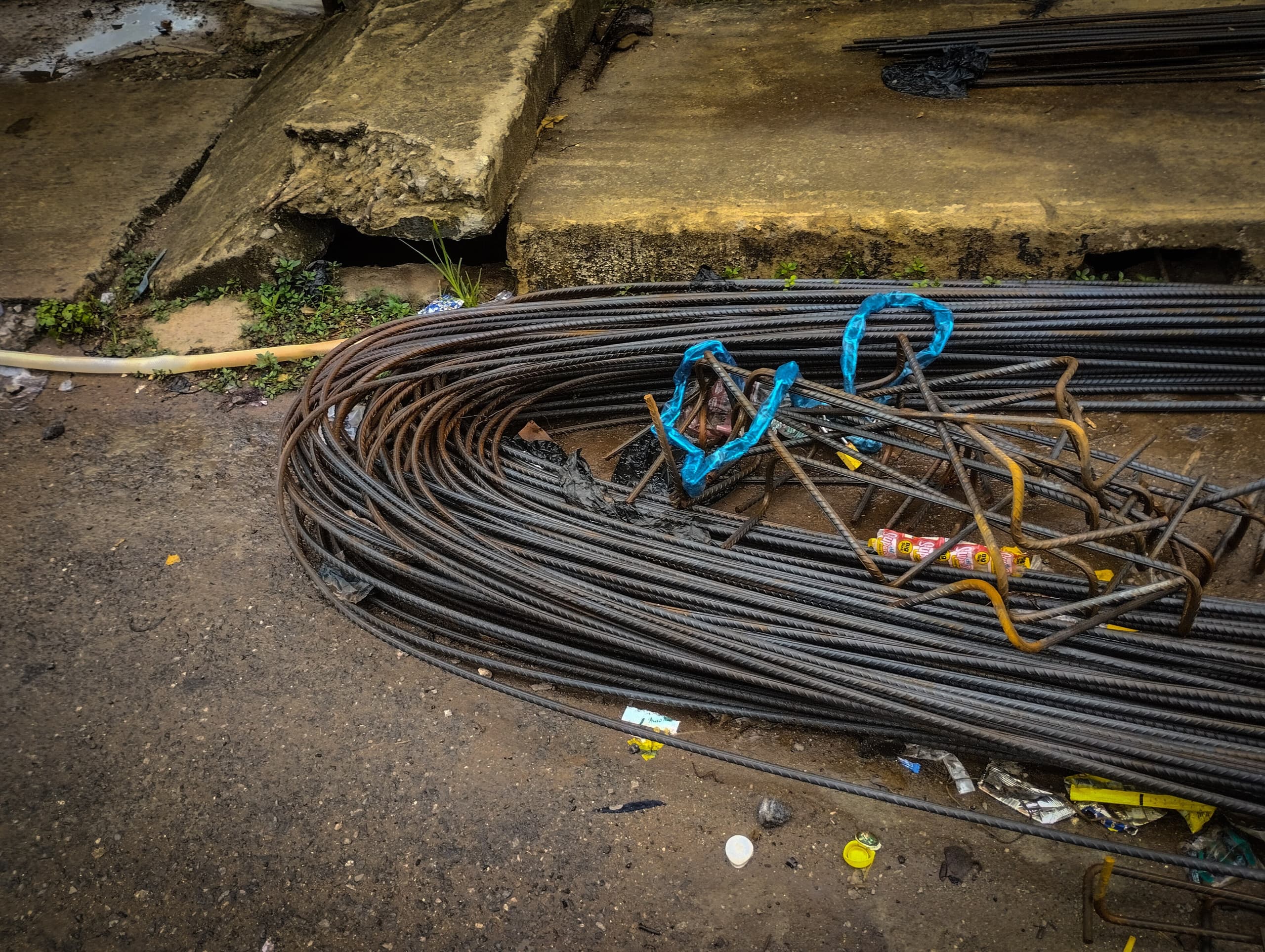
Image: Tunesh247, CC BY-SA 4.0. Licence: CC BY-SA 4.0. Source.