I · THE OBJECT · BRITISH MUSEUM
Māori Hei-Tiki
▶ Listen · narrated
An object whose meaning depends on being passed hand to hand, generation to generation. Put it in a museum and you stop the process that makes it matter.
At a glance
- Name
- Hei-tiki
- Material
- Pounamu (greenstone)
- Culture
- Māori, New Zealand
- Status
- Taonga (treasure)
Look closer
The word hei means to wear around the neck
Hei-tiki is a compound: hei refers to the act of wearing something suspended at the throat, and tiki is a term that originally referred to a mortal ancestor in Māori tradition. The pendant is named for how it is carried and what it depicts, though the figure itself is not a literal portrait of that ancestor. The term is often shortened to tiki in everyday New Zealand English, collapsing the distinction between the pendant and the figure it represents.
Pounamu is not jade, though it is often called that
Pounamu is the Māori term for several types of hard greenstone found in New Zealand, including nephrite. It is commonly referred to as jade in English, and tourist versions of hei-tiki are sometimes made from jade sourced elsewhere, or from other stones, plastic, or synthetic materials. The distinction matters: pounamu comes from specific places in New Zealand and carries associations that imported stone does not.
It is considered taonga — treasure
Taonga is the Māori word for something treasured, and it applies to objects, practices, and knowledge that hold cultural significance. A hei-tiki is taonga not only because of the material or the carving, but because of what it accumulates as it is worn and handed on. The designation marks it as something that belongs within a system of care and transmission, not as a commodity.
The story
A hei-tiki is an ornamental pendant carved from pounamu and worn around the neck. Pounamu is greenstone — a term covering several hard stones found in New Zealand, including nephrite — and it is valued not only for its durability and the difficulty of working it, but for its connection to place and ancestry. The hei-tiki takes the form of a stylised figure, and though the name tiki originally referred to a mortal ancestor in Māori tradition, the pendant is not a literal depiction of that figure. It is a carved form that carries meaning through its material, its making, and its history of being worn.
The word hei means to wear around the neck, so the name describes both the object and how it is carried. In everyday speech in New Zealand, the pendant is often called simply a tiki, though that collapses the distinction between the figure and the act of wearing it. Tourist versions are sold throughout New Zealand, made from jade, other stones, plastic, or synthetic materials, but these are distinct from hei-tiki made from pounamu and worn within Māori practice.
What makes a hei-tiki significant is not only the carving or the stone, but the fact that it is passed from one person to another. Each wearer adds to its mana — a word that encompasses authority, power, and prestige, but also spiritual presence. Mana is not static; it accumulates through use, through being worn, through the relationships it moves along. A hei-tiki that has been worn by several generations carries the mana of those people, and that history is part of what the pendant is. It is not an inert object; it is a record of transmission.
This creates a problem when a hei-tiki enters a museum. The glass case stops the process that gives the object its meaning. It can no longer be worn, handed on, or added to. It becomes a specimen of a type rather than a particular thing with a particular history. Museums can describe what a hei-tiki is and what it is made of, but they cannot show what it does, because what it does requires it to move through hands and across time. The meaning is in the passage, and the passage has been interrupted.
Why it mattered then
A hei-tiki mattered because it was a way of carrying mana — not as an abstract idea, but as something accumulated through connection to people and place. Pounamu itself came from specific locations, and the knowledge of where to find it and how to work it was held within particular communities. Carving the stone was difficult and required skill, so the finished pendant represented both the labour of making and the value of the material. But the significance did not stop there. Once made, the hei-tiki was worn, and as it passed from one person to another — often within a family, across generations — it gathered the mana of those who had held it. This was not decoration; it was a way of carrying relationships and histories on the body, visible and tangible. The pendant became a record of connection, and wearing it was a way of asserting and maintaining those connections. It was a form of inheritance that could be seen and touched.
Why it matters now
The hei-tiki raises a question that applies to many objects in museums: what happens to something when its meaning depends on use, and you stop using it? Museums preserve and display, but preservation can interrupt the processes that make an object significant. A hei-tiki in a case is no longer being worn, no longer being passed on, no longer accumulating mana. It has been taken out of the cycle that gave it meaning. This is not only a problem for Māori objects; it applies to anything whose significance is relational rather than intrinsic. The hei-tiki makes the issue visible because the gap between the pendant in the case and the pendant in use is so clear. It also makes visible a larger question about who decides what happens to taonga — treasured things — and whether preservation in a museum is the same as care. Some hei-tiki have been returned to Māori communities; others remain in collections. The pendant itself cannot resolve that question, but it makes it impossible to ignore.
The surprising detail
Tourist versions of hei-tiki are sold throughout New Zealand, made from materials ranging from jade and other stones to plastic. These are distinct from hei-tiki carved from pounamu and worn within Māori practice, but the existence of the tourist versions shows how the form has moved into a different economy. The pendant has become a symbol recognisable far beyond the context in which it originally mattered, and that recognition has generated a market. The tourist version is not taonga; it is not passed down or expected to accumulate mana. It is a souvenir, a representation of a representation. The gap between the two — the hei-tiki that moves through generations and the one bought in a shop — is a gap between different ideas of what an object is for.
What is disputed
The precise age and origin of individual hei-tiki in museum collections are often not recorded. Many were acquired in the nineteenth and early twentieth centuries, when documentation of provenance — where an object came from and who owned it before — was inconsistent or absent. This makes it difficult to establish the history of a particular pendant, including who wore it and when.
How it got here
Many hei-tiki in museums were acquired during the nineteenth and early twentieth centuries, often without full documentation of their origin or the circumstances of their acquisition. Some were sold or given by Māori individuals; others were collected in ways that are now disputed. Hei-tiki are considered taonga under the Treaty of Waitangi, and claims for their return have been made by Māori communities. Some museums have returned hei-tiki and other taonga; others hold them in their collections. The question of where these objects belong and who has the authority to care for them remains active.
Remember this
An object whose meaning is made by being handed on. Stop the transmission and you stop the meaning.
Test yourself
Why does putting a hei-tiki in a museum case interrupt its meaning in a way that, say, putting a painting in a gallery does not?
Because the meaning of a hei-tiki is cumulative and depends on transmission. It is not complete when it is made; it gains significance as it is worn and passed from person to person, accumulating the mana of those who have held it. A painting, by contrast, is finished when the artist stops working on it. Displaying it does not interrupt its meaning; the meaning is in the object as made. A hei-tiki in a case is not just removed from use — it is removed from the process that makes it what it is. The lesson applies beyond this pendant: any object whose significance is relational rather than intrinsic will be changed by being fixed in place.
Go deeper
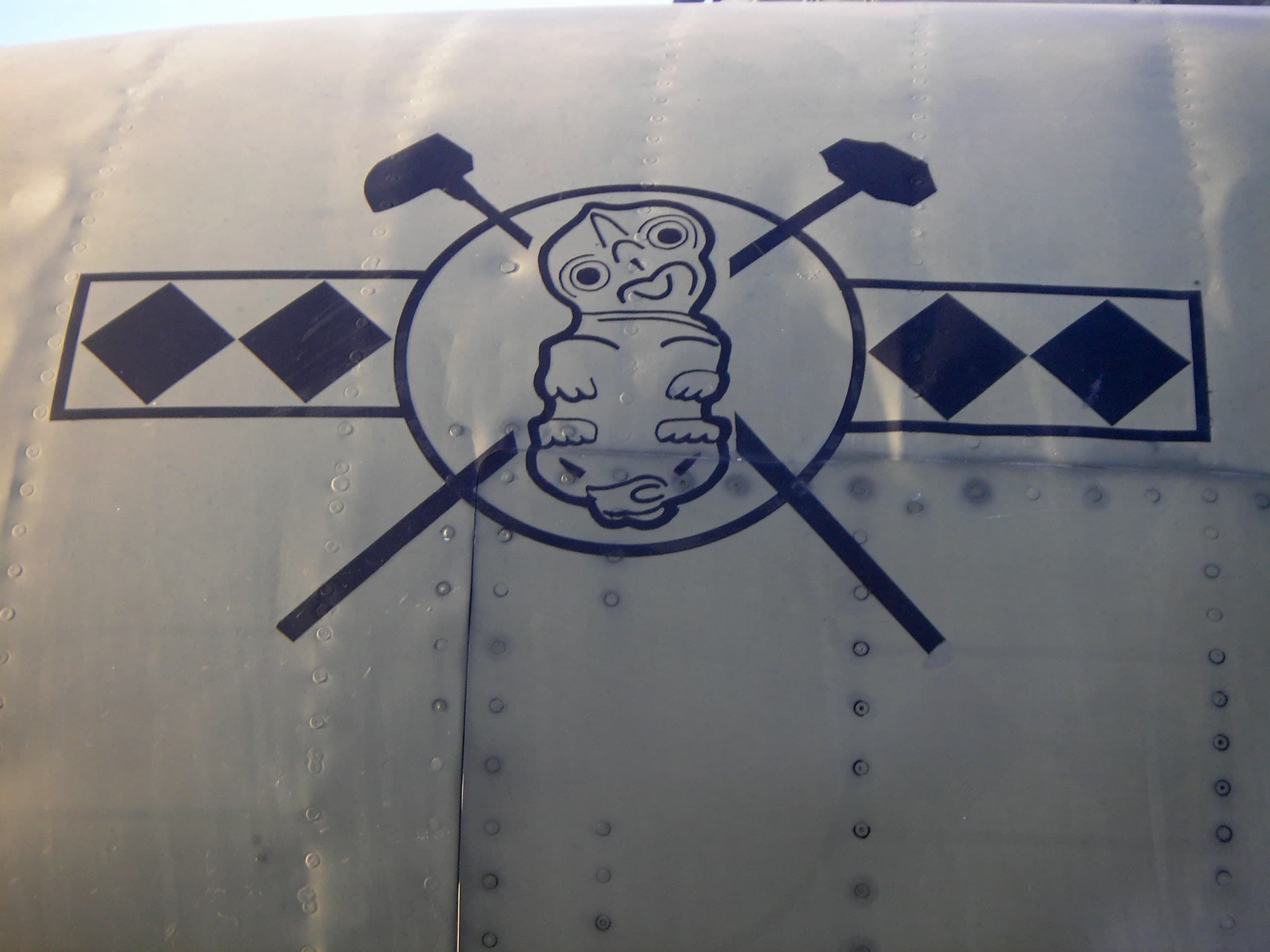
Image: Winstonwolfe, Public domain. Licence: Public domain. Source.