I · THE OBJECT · BRITISH MUSEUM
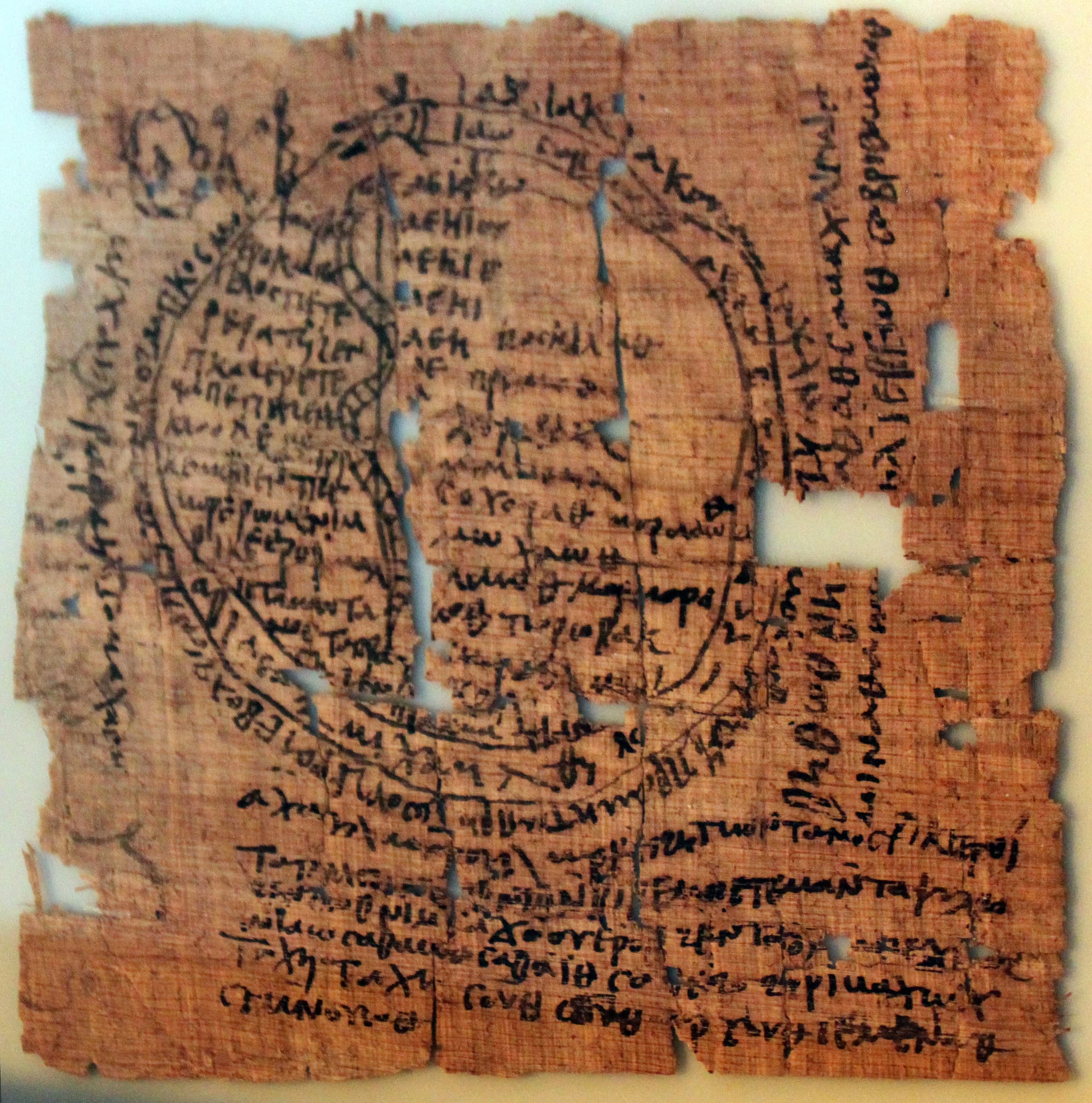
Coptic Textile Fragment
▶ Listen · narrated
Egypt became Christian, but its weavers kept making the old patterns. The textiles that survive — because burial in dry sand stops decay — mix traditions that seem separate now.
At a glance
- Culture
- Coptic Egyptian
- Location
- Egypt
- Period
- Byzantine-Greco-Roman Egypt
- Classification
- Art genre and art term
Look closer
Functional and decorative at once
Coptic textiles were woven for use: as tunics, as wall hangings, as wrappings for the dead. The distinction between craft and art was not drawn sharply. A tunic might carry a portrait of a saint on the shoulder or a geometric border at the hem, woven in coloured wool during the making of the garment itself, not applied afterwards. What survives often comes from burials, where the dry sand of Egypt halted the decay that destroyed linen and wool elsewhere.
Motifs from multiple traditions
Christian subjects — saints, crosses, biblical scenes — appear alongside figures and patterns inherited from pharaonic and Greco-Roman Egypt. A single textile fragment might show a haloed saint next to a Greek key pattern, or a vine scroll that could belong to any Mediterranean tradition. The weavers were Christian, but their visual vocabulary drew on centuries of Egyptian and classical ornament without erasing the older layers.
Preservation by burial
Most ancient textiles have vanished. Linen and wool rot in damp ground. Egypt's desert climate is the exception: organic material buried in sand can survive for centuries because the conditions are too dry for the bacteria that cause decay. What reaches museums is therefore a skewed sample — not a representative cross-section of what was made, but what happened to be buried in the right kind of ground.
The story
Coptic art is the Christian art of Byzantine-Greco-Roman Egypt and of Coptic Christian Churches. It survives in wall-paintings, textiles, illuminated manuscripts, and metalwork, much of it preserved in monasteries and churches. Textiles are among the most distinctive examples, and they endure in quantities that would be impossible in wetter climates.
The term Coptic refers to the Christian population of Egypt, and to the late form of the Egyptian language they spoke and wrote. The language was written in an alphabet adapted from Greek with additional letters for sounds Greek did not have. Christianity spread through Egypt early, and churches became major patrons of art and architecture.
Coptic textiles were woven on looms, using linen for the ground fabric and coloured wool for the decoration. The technique was tapestry weaving: the coloured threads were woven in as the cloth was made, not embroidered on afterwards. Designs included portraits of saints, crosses, animals, human figures, and geometric patterns. Many motifs have precedents in pharaonic or Greco-Roman art — vine scrolls, rosettes, figures in classical dress — and were adapted rather than abandoned when the weavers and their patrons became Christian.
The textiles that survive come largely from burials. In Egypt's dry sand, linen and wool do not rot as they do in damp soil. Graves in Christian cemeteries have yielded tunics, shawls, and lengths of cloth used as wrappings, often with woven decoration intact. Because the preservation is a matter of local ground conditions rather than design, what survives is not necessarily what was most valued at the time, but what happened to be buried in places dry enough to prevent decay.
The artwork is often functional. Little distinction was drawn between artistry and craftsmanship. A tombstone and a tunic could both be considered works of art if they were made with skill and care. This practical integration meant that decorated textiles were widespread, not reserved for the wealthy or for ritual use alone.
Why it mattered then
Textiles were everywhere in daily life: as clothing, as furnishings, as grave goods. Decorating them was a way of marking identity and status without requiring the resources needed for stone carving or metalwork. For Christian communities in Egypt, textiles offered a surface on which to display religious imagery in contexts that were domestic and personal, not solely monastic or liturgical. A tunic with a saint woven into the shoulder was both a garment and a declaration. The continuity of older motifs — Greek, pharaonic — suggests that conversion to Christianity did not mean a wholesale rejection of existing visual culture. Weavers and their clients kept using patterns that were familiar and carried meaning, adapting them to new purposes rather than inventing a visual language from scratch.
Why it matters now
Coptic textiles demonstrate how traditions layer rather than replace one another. The same cloth can carry a Christian saint and a classical vine scroll, and both are legible to the people who made and used it. That mixing is a record of how cultures actually change: not by clean breaks, but by reusing, reinterpreting, and letting old and new motifs sit side by side. The survival of these textiles also highlights the role of chance in what reaches us. Most ancient fabric is gone. What remains from Egypt is an accident of ground conditions, not a curated selection, and that accident has shaped how we understand early Christian art. Museums hold Coptic textiles in large numbers not because they were more important than textiles made elsewhere, but because they were buried in sand.
The surprising detail
The Coptic Museum in Coptic Cairo houses significant collections of Coptic art. The museum itself is located in an area of Cairo with a long Christian history, and its holdings include textiles, manuscripts, metalwork, and woodwork from churches and monasteries across Egypt. The concentration of material in one institution reflects both the quantity of Coptic art that survives and the efforts to preserve it in the place it was made.
What is disputed
The dating and regional attribution of individual Coptic textile fragments can be difficult. Many pieces lack secure archaeological context because they were removed from burial sites before modern recording practices were established. Stylistic dating is often used, but motifs and techniques persisted over long periods, making precise chronology uncertain.
Remember this
Byzantine-Greco-Roman Egypt wove saints and pharaohs into the same cloth, and desert burial is why we can still see it.
Test yourself
Why does the survival of Coptic textiles in large numbers give a misleading impression of their importance compared to textiles from other regions?
Because the quantities that survive are determined by burial conditions, not by how much was originally made or valued. Egypt's dry sand preserves organic material that rots elsewhere, so museums hold many Coptic textile fragments simply because they did not decay. Textiles from regions with damper climates have mostly vanished, even if they were produced in equal or greater quantities and held equal or greater significance. The archive we have is shaped by geology, not by the historical importance of the objects themselves. This applies more widely: what survives is not always what mattered most, and absence of evidence is often just absence of the right conditions for preservation.